
Postpartum Depression: Signs, Causes & How to Get Support
Postpartum Depression Therapy in Hamilton, Ontario: Signs, Causes & How to Get Support
If you’re searching for postpartum depression therapy in Hamilton or Stoney Creek, chances are something doesn’t feel right.
Maybe you expected to feel tired — but not this low.
Maybe you thought it was just baby blues — but the sadness hasn’t lifted.
Maybe you love your baby deeply… and still feel disconnected from yourself.
As a psychotherapist and a new mom, I want to say this clearly:
Postpartum depression is common.
It is not a personal failure.
And it is treatable with the right support.
At Pursue You Psychotherapy, we support mothers across Hamilton, Stoney Creek, and Ontario who are navigating postpartum depression and anxiety.
In this guide, I’ll walk you through:
- What postpartum depression really is
- How it’s different from baby blues
- Common symptoms
- Biological and psychological causes
- When to seek therapy
- What treatment looks like
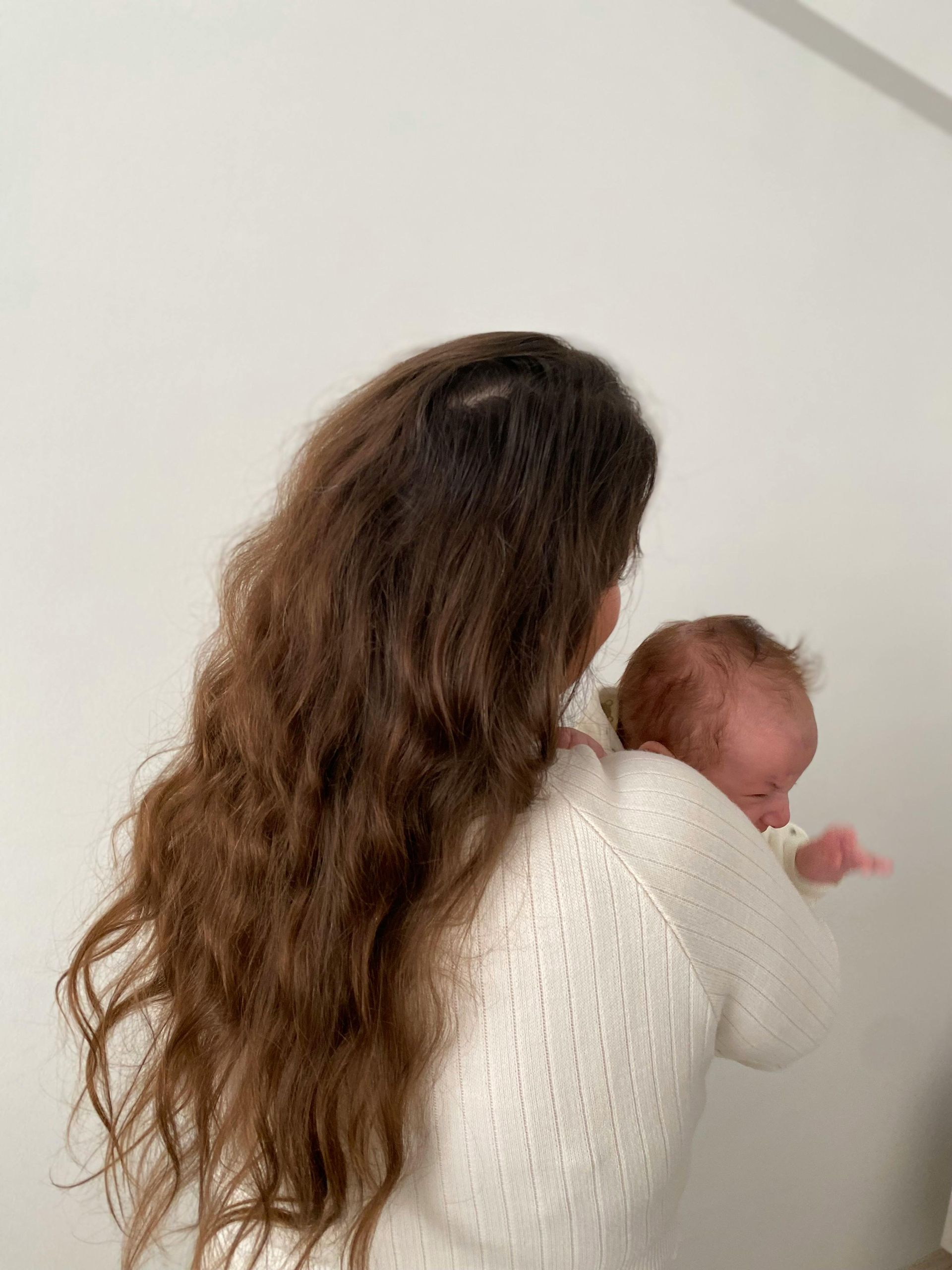
What Is Postpartum Depression?
Postpartum depression (PPD) is a mood disorder that can develop after childbirth. It affects approximately 1 in 7 women.
Unlike “baby blues,” which typically resolve within two weeks, postpartum depression persists and can significantly impact mood, energy, identity, and daily functioning.
According to the Centre for Addiction and Mental Health, postpartum depression can include persistent sadness, anxiety, irritability, and difficulty bonding with your baby.
It is not caused by weakness.
It is not caused by lack of gratitude.
And it is not a reflection of your love for your child.
Postpartum Depression vs. Baby Blues
Many mothers ask: “How do I know if this is more than baby blues?”
Baby blues:
- Begin within a few days after delivery
- Include mood swings, tearfulness, and overwhelm
- Typically resolve within 10–14 days
Postpartum depression:
- Lasts longer than two weeks
- Feels heavier and more persistent
- May include hopelessness, numbness, or intrusive thoughts
- Interferes with daily life
If symptoms are lingering or intensifying, it’s worth speaking to a therapist who specializes in postpartum mental health in Hamilton or Ontario.
Signs and Symptoms of Postpartum Depression
Postpartum depression can look different for everyone. Some common symptoms include:
- Persistent sadness or low mood
- Loss of interest in activities
- Feeling empty or numb
- Irritability or anger
- Withdrawal from family or friends
- Difficulty bonding with baby
- Changes in appetite
- Sleep disturbances (beyond normal newborn sleep disruption)
- Intrusive or distressing thoughts
- Feeling like you’re failing as a mother
One of the most painful parts? The guilt.
Many women tell me:
“I should be happier.”
“Other moms seem fine.”
“My baby deserves better."
Depression often distorts perception and amplifies self-criticism.
What Causes Postpartum Depression?
There is no single cause. Postpartum depression is biopsychosocial — meaning biological, psychological, and social factors all play a role.
1. Hormonal Shifts
After delivery, estrogen and progesterone levels drop dramatically. These hormones influence mood-regulating neurotransmitters like serotonin and dopamine. This rapid hormonal shift can destabilize mood, especially in women with prior anxiety or depression.
2. Sleep Deprivation
Chronic sleep disruption impacts emotional regulation, cognitive function, and stress tolerance. Sleep deprivation alone can mimic depressive symptoms.
3. Nervous System Overload
Your body has just experienced pregnancy, birth, and massive life transition. Your nervous system may remain in a heightened stress state.
4. Identity Transition
Becoming a mother involves a psychological shift known as matrescence — a reorganization of identity, roles, and priorities.
This transition can trigger grief for your former self alongside love for your baby — a complicated emotional mix many women aren’t prepared for.
5. Isolation and Unrealistic Expectations
Social media and cultural messaging often portray motherhood as joyful and natural. When your internal experience doesn’t match that image, shame can grow.
When Should You Seek Postpartum Depression Therapy in Hamilton or Ontario?
Consider reaching out for therapy if:
- Symptoms last longer than two weeks
- You feel persistently hopeless or disconnected
- You are withdrawing from loved ones
- You are struggling to function daily
- You’re having intrusive or distressing thoughts
- You feel like you’re “not yourself”
You do not need to wait until it gets worse.
Early intervention leads to faster recovery.
What Does Therapy for Postpartum Depression Look Like?
At Pursue You Psychotherapy, postpartum depression therapy may include:
- Cognitive Behavioral Therapy (CBT) to challenge distorted thinking
- Nervous system regulation strategies
- Processing birth experiences
- Identity and role transition work
- Self-compassion development
- Support for intrusive thoughts
- Partner communication support
For some women, medication in consultation with a physician may also be appropriate.
Therapy is not about “fixing” you.
It’s about helping you feel like yourself again.
Is Postpartum Depression Treatable?
Yes.
With appropriate support, most women recover fully from postpartum depression.
Research consistently shows that psychotherapy is highly effective in treating postpartum mood disorders. If you’d like to explore more evidence-based information, you can visit the Centre for Addiction and Mental Health website for additional resources for postpartum depression.
Postpartum Depression Therapy in Hamilton, Stoney Creek & Across Ontario
f you’re local to Hamilton or Stoney Creek — or anywhere in Ontario — our therapists provide virtual postpartum depression therapy designed specifically for new mothers.
As a new mom, getting out of the house can feel overwhelming. Coordinating feeds, naps, diaper bags, and your own exhaustion just to attend an appointment can become another barrier to getting support. Virtual therapy allows you to access care from the comfort of your home — whether that’s during nap time, while your baby plays nearby, or even while you’re holding them.
You don’t have to arrange childcare.
You don’t have to commute.
You don’t have to “pull yourself together” to show up.
Support can meet you exactly where you are.
At Pursue You Psychotherapy most sessions are covered by private insurance plans, making therapy both accessible and practical during this season of life.
🔗 Book a free consultation today
📍 Serving Hamilton, Stoney Creek, and all of Ontario virtually